
Table of Contents
If you’ve spent any time researching immune health supplements, you’ve likely come across the term AHCC. It appears in discussions about HPV, cancer support, chronic infections, and general wellness. Search any of these topics, and AHCC surfaces repeatedly—in forums, in research paper abstracts, in conversations between patients and integrative medicine practitioners.
But what actually is it? How does it differ from the mushroom powders lining supplement store shelves? Why do some people spend significantly more on AHCC compared to other immune supplements? And what does the research genuinely support?
This article answers those questions directly. No hype, no vague wellness language—just a clear explanation of what AHCC is, where it came from, how it works, and why people use it.
The Simple Definition
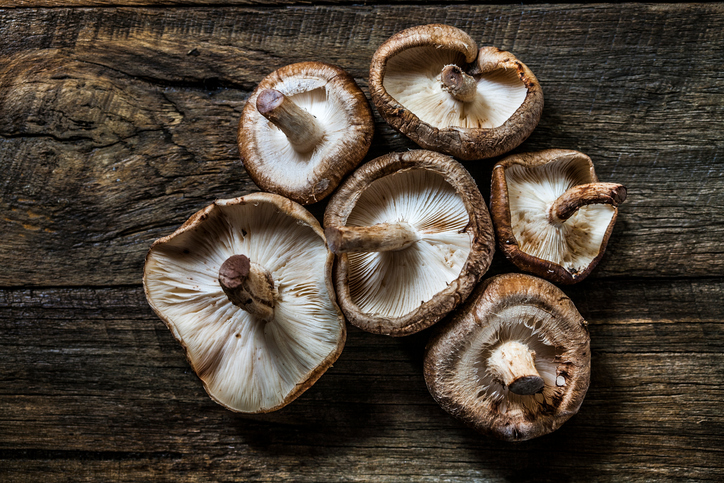
AHCC stands for Active Hexose Correlated Compound. It’s a proprietary extract derived from the mycelia—the root-like filamentous threads—of shiitake mushrooms (Lentinula edodes). It was developed in Japan in the late 1980s and has been the subject of continuous research since then, spanning over 30 human clinical studies and more than 50 basic science papers.
AHCC is not a whole mushroom powder. It’s not a crude hot water extract. It’s not something you can replicate by eating shiitake mushrooms or blending dried mushroom caps into a smoothie. It is a highly processed, patented product created through a very specific cultivation and enzymatic process. The end result is a mixture of compounds—primarily acetylated alpha-glucans, along with some beta-glucans, glycoproteins, amino acids, and minerals—that researchers believe interact meaningfully with the immune system.
The compound was originally developed by Amino Up Co., Ltd., a research-focused company based in Sapporo, Japan. They still manufacture every gram of authentic AHCC today, distributing the raw material to supplement companies worldwide who encapsulate, bottle, and sell it under various brand names.
What AHCC Is Not
Clarity on what AHCC isn’t helps avoid confusion, and confusion is common in the mushroom supplement space.
AHCC is not the same as taking shiitake mushroom capsules from the health food store. Those products typically contain dried, powdered mushroom fruiting bodies—the cap and stem you’d recognize on a plate. They may offer nutritional value, but their chemical composition differs entirely from AHCC.
AHCC is not a multivitamin. It doesn’t provide your daily requirement of vitamins or minerals in any significant quantity. It’s not an herbal remedy in the traditional sense. It’s not a pharmaceutical drug, though it has been studied in clinical settings with the rigor sometimes associated with drug research. It is sold as a dietary supplement, regulated accordingly, and labeled for immune support rather than for treating or curing any specific disease.
AHCC also doesn’t contain the compounds associated with psychedelic or “functional” mushrooms. There is no psilocybin, no psychoactive component, and no effect on perception or mood beyond what feeling physically well might indirectly provide.
The History: From Tokyo Labs to Global Recognition
AHCC emerged from a moment of practical concern in Japan during the 1980s. Researchers at Amino Up, in collaboration with academic institutions, were investigating whether compounds derived from edible mushrooms could reduce the side effects of conventional cancer treatments and improve patient outcomes.
The team cultured shiitake mycelia, subjected the biomass to enzymatic breakdown, and tested the resulting extract in animal models. Early results showed changes in immune activity—particularly in natural killer cell function and cytokine production—that warranted further investigation.
By the 1990s, AHCC was being used in Japanese hospitals as a supportive supplement for patients undergoing chemotherapy. It wasn’t administered as a drug; it was offered as a nutritional adjunct to help maintain quality of life and immune cell counts during grueling treatment cycles. Over the following decades, research expanded into hepatitis, diabetes, HPV, and general immune function.
Today, AHCC is studied at institutions including Yale University, Columbia University, MD Anderson Cancer Center, and the University of Texas. It is used in over 1,000 clinics worldwide, by some estimates, and has accumulated a research footprint that exceeds most other dietary supplements.
How AHCC Is Made
The manufacturing process is what separates AHCC from generic mushroom products. It is worth understanding if you’re considering buying it, because the process directly affects the final compound—and the price.
Step 1: Cultivation. Shiitake mycelia are grown in a liquid medium under controlled conditions. This is not outdoor farming. It takes place in sterile bioreactors where temperature, pH, nutrient levels, and oxygen are precisely regulated. The mycelia form a dense biomass over weeks of growth.
Step 2: Enzymatic Breakdown. The harvested biomass is treated with enzymes that break down complex structures into smaller, more absorbable molecules. This is a critical step; without it, the large polysaccharides would pass through the digestive system largely intact, offering minimal systemic effect.
Step 3: Sterilization and Concentration. The liquid is heat-sterilized, then concentrated through evaporation. What remains is a thick slurry containing dissolved and suspended compounds.
Step 4: Freeze-Drying. The concentrate is freeze-dried into a powder. This preserves heat-sensitive molecules better than spray-drying or high-heat dehydration.
Step 5: Quality Control and Testing. Every batch is tested for identity (is this actually AHCC?), potency (are active markers present at expected levels?), and purity (are there contaminants, heavy metals, or microorganisms?). The finished powder is then shipped to supplement manufacturers.
The entire production cycle, from culture to finished powder, spans several months. It cannot be rushed. And because the process is proprietary and complex, it cannot be done on the cheap.
The Chemistry: What’s Actually in AHCC
Unlike many botanical supplements where the active component is unknown or poorly characterized, AHCC has a defined chemical profile. The primary compounds are:
Acetylated alpha-1,4-glucans. These are polysaccharides—chains of linked sugar molecules—with a specific molecular weight range (generally under 5,000 Daltons). The acetylation, a chemical modification that adds acetyl groups to the molecule, is believed to improve absorption through the gut wall and enhance biological activity. This is the signature component of AHCC and what distinguishes it from unmodified mushroom extracts.
Beta-glucans. Present in smaller amounts, these are more commonly associated with mushroom immune research. In AHCC, they work alongside the alpha-glucans rather than as the sole active fraction.
Glycoproteins. Protein-sugar complexes that may contribute to immune recognition.
Amino acids and minerals. Present as residual components from the mycelial biomass and culture medium. Not the primary active agents, but part of the whole product.
The molecular weight matters. Early research showed that the lower-molecular-weight fraction of AHCC was more active in immune assays than the heavier fraction. The manufacturing process is designed to maximize the presence of these smaller, more absorbable molecules.
What Does AHCC Do Inside the Body?
The human immune system has two broad arms: innate immunity and adaptive immunity. Innate immunity is the fast, non-specific first response. It doesn’t need to recognize a specific pathogen; it just attacks anything that looks foreign or out of place.
AHCC primarily influences the innate arm.
Here’s a breakdown of what published research suggests:
Natural Killer (NK) Cells. NK cells are the immune system’s rapid-response units. They identify and destroy virus-infected cells and tumor cells without prior sensitization. Multiple animal and human studies report increased NK cell activity following AHCC administration. This is arguably the most consistent finding across the research.
Cytokines. Cytokines are messenger molecules that coordinate immune responses. AHCC has been shown to modulate levels of several key cytokines: interferon-gamma, tumor necrosis factor-alpha, interleukin-12, and interleukin-6. The effect is modulatory rather than simply stimulatory—meaning it can help regulate immune activity rather than just ramping it up indiscriminately.
Dendritic Cells. These are antigen-presenting cells that essentially “educate” the adaptive immune system about what to target. AHCC appears to increase dendritic cell numbers and activity, which may help the body mount more effective responses to persistent threats.
Gut-Associated Lymphoid Tissue (GALT). A large portion of the immune system is located in the gut. AHCC may act partly through Peyer’s patches and other gut immune structures, which makes sense given that it’s taken orally and absorbed through the gastrointestinal tract.
TLR Receptors. Toll-like receptors are pattern recognition proteins on immune cells. Some evidence suggests AHCC interacts specifically with TLR-2 and TLR-4, which would partially explain how it triggers innate immune activation.
The overall picture is of a compound that primes the innate immune system, making it more responsive and better coordinated. This is different from “boosting” immunity—a vague and overused phrase—and closer to immune training or immune modulation.
What Conditions Has AHCC Been Studied For?
AHCC has a research footprint that, while not comparable to a pharmaceutical drug, is substantial by dietary supplement standards. Here’s what the evidence base looks like for each major area.
HPV (Human Papillomavirus)
This is the application that has brought AHCC the most attention in recent years.
A pilot study published in 2014 examined 10 women with persistent high-risk HPV who took 3 grams of AHCC daily for up to 6 months. Half showed HPV clearance by the end of the study period. A follow-up placebo-controlled trial published in 2019 enrolled 50 women and reported that 14 of 25 in the AHCC group cleared their HPV infection compared to 5 of 25 in the placebo group after 6 months, with an additional group clearing after extended AHCC use.
These are small studies. The sample sizes are limited. Researchers have called for larger, multi-center trials to confirm the findings. But taken together, they offer a plausible signal: AHCC may support HPV clearance in some individuals with persistent infections.
The proposed mechanism makes biological sense. HPV persists by evading immune detection. If AHCC enhances NK cell activity and improves antigen presentation, the immune system may become better equipped to recognize and eliminate HPV-infected cells.
Cancer Support (Adjunct Use)
AHCC has been studied most extensively in the context of cancer, though always as a supplement used alongside conventional treatment—never as a replacement.
Japanese researchers have published multiple studies examining AHCC’s effects on patients with liver, lung, breast, stomach, prostate, and colorectal cancers. Outcome measures include:
- Quality of life during chemotherapy
- White blood cell and neutrophil counts during treatment
- Liver function markers (AST, ALT) during hepatotoxic chemotherapy
- Tumor markers and recurrence rates in specific cancers
A 2015 review published in the Journal of Hepatology noted that AHCC appeared to improve liver function and reduce inflammatory markers in patients with hepatocellular carcinoma. Studies on colorectal cancer patients undergoing chemotherapy reported preserved white blood cell counts and reduced treatment delays compared to historical controls.
A large-scale, multi-center study on AHCC for liver cancer prevention in patients with cirrhosis is ongoing in Japan. Results are pending.
The National Cancer Institute’s Physician Data Query (PDQ) system includes a summary on AHCC, noting that “clinical studies suggest AHCC may improve immune function and quality of life in cancer patients.” The language is cautious, as appropriate.
General Immune Function
Several small trials have looked at AHCC for everyday immune support:
- A study of healthy adults over 60 found increased influenza vaccine response in the AHCC group versus placebo.
- Research on athletes under heavy training loads suggested fewer reported cold and flu symptoms with AHCC supplementation.
- A mouse study—often cited, though animal data must be interpreted cautiously—showed improved survival against influenza virus infection with AHCC pretreatment.
Taken as a whole, the evidence points toward AHCC having a supportive effect on immune surveillance. For people who feel run-down, get sick frequently, or face seasonal immune challenges, it may offer benefit, though individual responses vary.
Other Viral Infections
Preclinical work exists for several other viruses:
- Hepatitis C: Some Japanese studies examined whether AHCC could improve liver enzyme levels in patients with chronic hepatitis C. Results were mixed but suggested modest benefit in a subset of patients.
- Herpes simplex virus: Animal research and a handful of human case reports describe reduced outbreak frequency with AHCC. No large controlled trials exist.
- West Nile virus: Animal studies indicated improved survival and reduced viral load. This has not been studied in humans.
Animal and lab-based data don’t translate automatically to human outcomes, but they provide direction for future research and help explain AHCC’s proposed mechanisms.
Inflammation and Chronic Conditions
A thread running through many AHCC studies is a reduction in inflammatory markers:
- C-reactive protein (CRP) has been shown to decrease with AHCC use in some populations.
- Markers of liver inflammation (AST, ALT) improved in patients with fatty liver disease in a small trial.
- Animal models of colitis, diabetes, and autoimmune conditions have shown modulation of inflammatory cytokines—though human data in these areas remains thin.
The anti-inflammatory effect appears to be secondary to immune modulation rather than a direct pharmacological action. By improving how the immune system handles threats, systemic inflammation may decrease.
Safety and Side Effects
AHCC has a safety record that is well-established across decades of use. It’s worth examining in detail.
In clinical trials, adverse effects are consistently described as mild and infrequent. The most commonly reported issues include:
- Digestive discomfort (bloating, gas, loose stools)
- Mild nausea, especially when starting
- Occasional headache
- Mild skin itching (rare)
These effects, when they occur, tend to resolve within the first week or two of use. Starting with a lower dose and ramping up gradually can reduce the chance of digestive upset.
Long-term safety data comes from Japan, where patients have taken AHCC continuously for years under medical supervision, particularly in cancer support settings. No serious long-term adverse effects have been reported in the peer-reviewed literature.
However, several precautions warrant attention:
Autoimmune Conditions. AHCC modulates immune activity. For someone with an overactive immune system—such as in lupus, rheumatoid arthritis, multiple sclerosis, or Hashimoto’s—the concern is that increasing immune activity could worsen symptoms. This is a theoretical risk that has not been studied directly. Many integrative practitioners advise caution and close monitoring for anyone with an autoimmune diagnosis.
Drug Metabolism. Laboratory research indicates AHCC may influence cytochrome P450 enzymes, which are involved in metabolizing many prescription medications. Specifically, AHCC appears to inhibit CYP2D6 in some models, which could theoretically alter levels of drugs processed by this pathway. The clinical significance is unclear, but anyone taking prescription medications should discuss AHCC with their prescriber.
Surgery. AHCC may influence immune responses and blood flow. The conservative approach is to stop supplementation approximately two weeks before any scheduled surgical procedure and resume after recovery.
Pregnancy and Nursing. No safety studies exist for pregnant or breastfeeding women. Most sources recommend avoiding AHCC during these periods unless specifically directed by a qualified healthcare provider.
Organ Transplant. Immunosuppressant medications used after transplant are designed to keep the immune system from rejecting the new organ. An immune-modulating supplement could theoretically interfere. AHCC is generally contraindicated for transplant patients.
Dosage: What the Research Uses
AHCC dosage has been reasonably standardized across studies, making it easier to discuss than many supplements where dosing is all over the map.
The most studied dose is 3 grams per day (3,000 mg), typically split into two 1.5-gram doses taken morning and evening. This is the dose used in the HPV clearance trials, many of the cancer support studies, and most immune function research.
1 gram per day (1,000 mg) is a common maintenance dose for general immune support. It’s less studied than 3 grams but frequently used in practice.
4.5 or 6 grams per day has been used in some cancer support protocols, particularly during active chemotherapy. These higher doses are generally undertaken with practitioner guidance.
AHCC is most often taken on an empty stomach—30 minutes before eating or 2 hours after. The reasoning is that food may dilute or bind to the active compounds, reducing absorption.
People taking AHCC for HPV clearance often use it for 6 months continuously, then retest. Those using it for general immune maintenance may take it long-term, sometimes taking a week off every couple of months.
Quality: Why the Source Matters
This section is essential because the supplement market is uneven, and not everything labeled “AHCC” is the same substance.
The genuine article is manufactured exclusively by Amino Up Co., Ltd. in Japan. The company has a trademark on the name AHCC. Legitimate products display the trademark symbol (® or ™) and often include the Amino Up logo on the label.
Counterfeit or generic products have become an issue, particularly on large online marketplaces where third-party sellers operate with minimal oversight. These products may contain undeclared fillers, lower doses, or entirely different mushroom species. They have not been used in published research, and consuming them means you don’t know what you’re actually getting.
How to identify authentic AHCC:
- Look for “AHCC” with a trademark symbol
- Check for the Amino Up manufacturer logo
- Look for a lot number and expiration date
- Purchase from the official website of a known distributor or from a practitioner’s clinic
Price is a partial signal. Authentic AHCC is expensive to manufacture. A bottle that appears drastically cheaper than well-known brands should prompt label scrutiny. The phrase “mushroom complex” or “active hexose” without the full AHCC trademark is another warning sign.
What to Expect If You Start Taking AHCC
AHCC is not something you feel working minute to minute. It’s not a stimulant, a sedative, or a pain reliever. People expecting an immediate, noticeable sensation are often disappointed—not because the supplement isn’t doing anything, but because its effects play out on a cellular level over weeks and months.
Typical experiences described by users include:
- Fewer colds or faster recovery from minor illnesses over a full season
- Lab changes on follow-up blood work (lower CRP, improved white blood cell counts, HPV-negative results on repeat testing)
- Gradual improvement in energy and overall well-being, possibly secondary to reduced immune-driven fatigue
- No perceptible change at all—which is itself common with many supplements
The absence of a dramatic effect doesn’t mean the supplement is useless. It means the biometrics and health outcomes are what matter, not the subjective experience during the first few days.
Cost and Practical Considerations
Genuine AHCC is not inexpensive. A month’s supply at 3 grams daily typically costs between 150and250 USD, depending on the brand, the capsule count, and where you purchase it. At 1 gram daily for maintenance, the monthly cost is lower but still significant compared to basic supplements like vitamin C or zinc.
Why the price? The manufacturing process is lengthy and facility-intensive. The raw material is produced in Japan under stringent quality standards. Shipping, encapsulation, and testing add to the cost. There is no “generic” AHCC that matches the research; anyone selling at a fraction of the standard price is almost certainly not selling the real product.
For those who find the cost prohibitive, some strategies include:
- Purchasing larger bottles to reduce per-capsule cost
- Using a subscription or auto-ship service from a reputable distributor
- Discussing dosage with a practitioner—some people may achieve their goals with 1 gram daily rather than 3
Questions to Ask Before Buying
If you’re considering AHCC, here are practical questions to run through:
- What specifically am I taking this for, and what does the research say about that use?
- Am I looking at the genuine Amino Up product or a generic alternative?
- Has my healthcare provider weighed in, especially if I’m on medications or have an existing health condition?
- What dose will I use, and can I commit to taking it daily for the duration needed to assess results?
- How will I measure whether it’s working—lab tests, symptom tracking, or something else?
The Bottom Line
AHCC is a proprietary, well-researched mushroom-derived supplement from Japan. It is not a cure for any disease, but it has a body of evidence—published, peer-reviewed, and spanning decades—pointing to immune-modulating effects that may be relevant for HPV clearance, supportive care during cancer treatment, and daily immune maintenance.
What separates AHCC from many other supplements in the immune category is that there are actual human studies, a known chemical composition, and a controlled manufacturing process. The science is not complete, and the studies are not large enough to draw airtight conclusions for every application. But the signal across the research is consistent enough that major medical centers have investigated it, and over a thousand clinics worldwide incorporate it into practice.
The decision to take AHCC is personal and context-dependent. It starts with reading the research relevant to your situation, confirming you’re purchasing the authentic product, and having an informed conversation with someone qualified to advise on your specific health picture.
